
Why Should I Trust the Bible?
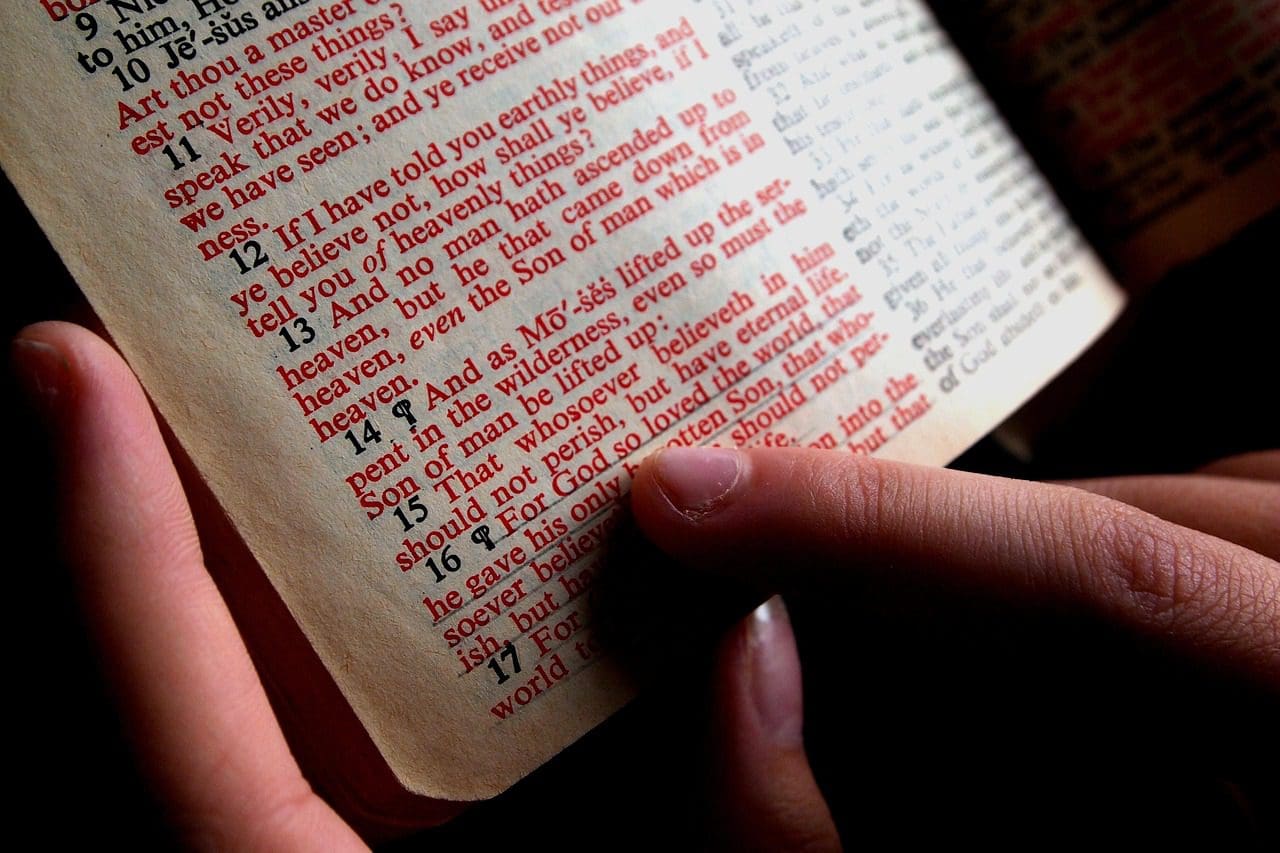
Why should you or I trust the Bible? Can a skeptic examine the evidence and objectively?
Let’s look at some evidence and at least make an observation.
The Bible was written by forty different authors over a span of 1,600 years, across three continents and thirteen countries. Kings, shepherds, fishermen, doctors, tax collectors, and prisoners all contributed. They wrote in different languages, in different centuries, under wildly different circumstances. And yet the story holds together from the first page to the last — one unified narrative pointing to one Person.
Try getting forty people in the same room to agree on anything. Now try it across sixteen centuries.
Three hundred and thirty-three prophecies written in the Old Testament were fulfilled in the life of Jesus Christ. Psalm 22 describes crucifixion in vivid detail, written six hundred years before crucifixion was even invented as a method of execution.
Isaiah 53 paints a portrait of a suffering servant that reads like an eyewitness account of Calvary. Written seven hundred years before it happened. Someone calculated the probability of one person fulfilling just a fraction of those prophecies by chance: 84 to the 123rd power to one.
Then there are the manuscripts. We have over 5,800 Greek manuscripts of the New Testament. Compare that to Homer’s Iliad with 1,757 copies. Caesar’s Gallic Wars — nine. Nine. And yet no serious historian questions whether Caesar wrote his account. The Bible has more manuscript evidence than any ancient document in existence, and it isn’t even close.
Archaeology hasn’t been kind to the skeptics either. The pool of Bethesda, the Pilate Stone, the house of Peter in Capernaum, and the walls of Jericho. Every shovel in the ground keeps confirming what Scripture already said.
Penn Jillette, the famous atheist magician, once admitted that if the Bible is taken on faith alone, “we can’t touch you.” He’s right about that. But the Bible doesn’t ask for blind faith. It invites investigation. It says, “Come now, let us reason together” (Isaiah 1:18).
There is evidence. But what people might really need to see are the witnesses living the Bible in everyday life. The only Bible many people will ever read is Christians. May the evidence be overwhelming.
Keep Looking Up!
May God bless your day.
Related devotionals: Can we trust the Gospel? · Is Jesus really God? · Is Christianity too narrow?
Want more from Pastor Rodney?
If today’s devotional spoke to your heart, my books carry these same themes deeper. Stories of God moving in ordinary lives, scripture for tired pastors and weary parents, and steady reminders that heaven is closer than you think.