
Horatio Spafford: The Story Behind It Is Well with My Soul
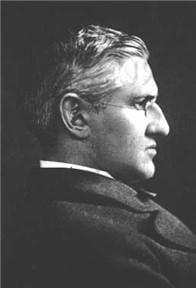
Horatio Spafford stood at the railing of a ship in the middle of the Atlantic, passing over the very spot where his four daughters had drowned weeks before. And there, in the worst hour of his life, he took out a pen and wrote one of the most beloved hymns in history.
A Man Who Lost Almost Everything
A successful Chicago lawyer and a friend of evangelist D.L. Moody, Spafford first lost his young son, then watched the Great Chicago Fire of 1871 destroy his fortune. In the fall of 1873, he sent his wife Anna and their four daughters ahead to Europe, planning to follow a few days later. He kissed them goodbye at the dock and watched the ship sail.
Two Words from Wales
In the early hours of November 22, their ship collided with another and sank in twelve minutes. Anna was pulled from the water alive. All four girls were gone. From Wales, she sent a telegram of just two words: “Saved alone.” As Horatio sailed to reach her, the captain told him they were passing near where the ship went down. There he wrote the words that would outlast his grief: it is well with my soul.
The Lord Is Near to the Brokenhearted
How does a man write “it is well” over his children’s grave? Not by pretending it did not hurt, but by leaning on a God who was right there with him. “The Lord is near to those who have a broken heart,” says Psalm 34:18, “and saves such as have a contrite spirit.” Near. Not distant.
Whatever loss has left you standing in the dark, He is closer than your next breath, and one day He will make it well. And that, friend, is how God lifts up your day.
Keep Looking Up!
Pastor Rodney