
The Man Nobody Wanted: William Seymour and the Azusa Street Revival
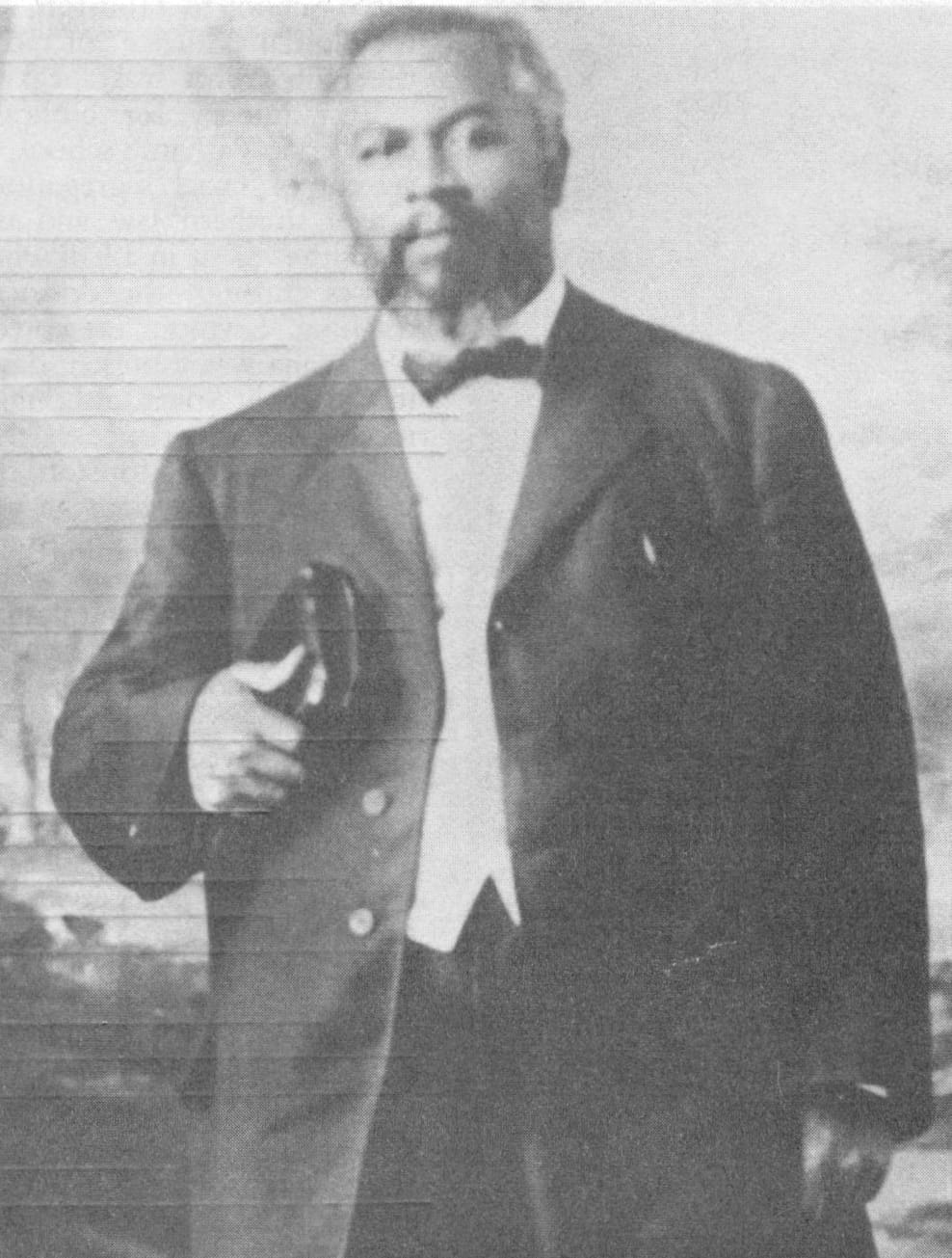
In 1906, William Seymour stepped off a train in Los Angeles with a Bible, a burden, and one good eye. The young Black preacher had been invited to fill a pulpit at a small Holiness church on the city’s west side. Within days, that church had locked him out.
What William Seymour did next would change the course of Christian history.
He didn’t fight to get back in. He didn’t return to Texas in defeat. Instead, he found a small home on Bonnie Brae Street, gathered a handful of hungry seekers, and they began to pray. Night after night. Hour after hour.
The Fire That Fell on April 9, 1906
On April 9, 1906, the fire of God fell on that small house. The revival outgrew the living room overnight, and within a few weeks Seymour and his small band of believers had found an abandoned stable at 312 Azusa Street. They swept out the sawdust. They nailed rough planks together for an altar. There was no marquee, no famous speaker, no advertising budget.
For three straight years, the revival burned. Morning, afternoon, and night. Missionaries carried what came to be called the Azusa Street Revival to every inhabited continent, and that small stable became the spark that lit the modern Pentecostal and charismatic movements, which today number over 600 million believers worldwide.
The Color Line Washed Away in the Blood
Perhaps the most remarkable thing about Azusa Street was not the miracles or the languages or the thousands who came. It was the room itself.
In 1906 Los Angeles, in the full grip of Jim Crow America, Black and white worshippers knelt side by side at that rough wooden altar. Rich and poor, educated and unlettered, people who had been told all their lives they were on the wrong side of every fence prayed together at the foot of the cross. A reporter from the Los Angeles Times came to write a mocking article. He left having witnessed something he couldn’t explain. The color line, he wrote, had been washed away in the Blood.
It happened because William Seymour took Acts 10:34 at face value: God is no respecter of persons.
What Seymour’s Story Says to You Today
Here is what William Seymour’s story says to anyone who has ever felt overlooked, locked out, or under-resourced: God is not waiting on your platform. He is waiting on your prayer.
The room doesn’t have to be impressive. The congregation doesn’t have to be large. The door doesn’t have to be open. What God requires is a willing heart, a bended knee, and a faith that refuses to let a locked door be the final word.
First Corinthians 1:27 tells us that God has chosen the weak things of the world to shame the mighty. That is not just a verse on a wall. That is the biography of the Azusa Street Revival.
The stable on Azusa Street is gone. But the God who showed up there is still very much on the move.
And that, friend, is how God lifts up your day.
Listen to the full Take 5 episode
This week’s Take 5 devotional tells William Seymour’s full story in five minutes. Listen on Lift Up Your Day.
Related devotionals
- The Prayer That Sparked a Revival: Lessons from the Hebrides, 1949
- When the Heat Couldn’t Stop the Fire (Cane Ridge Revival)
- Portraits of Faith: The Night of Fire — Blaise Pascal
Want more from Pastor Rodney?
If today’s devotional spoke to your heart, my books carry these same themes deeper. Stories of God moving in ordinary lives, scripture for tired pastors and weary parents, and steady reminders that heaven is closer than you think.